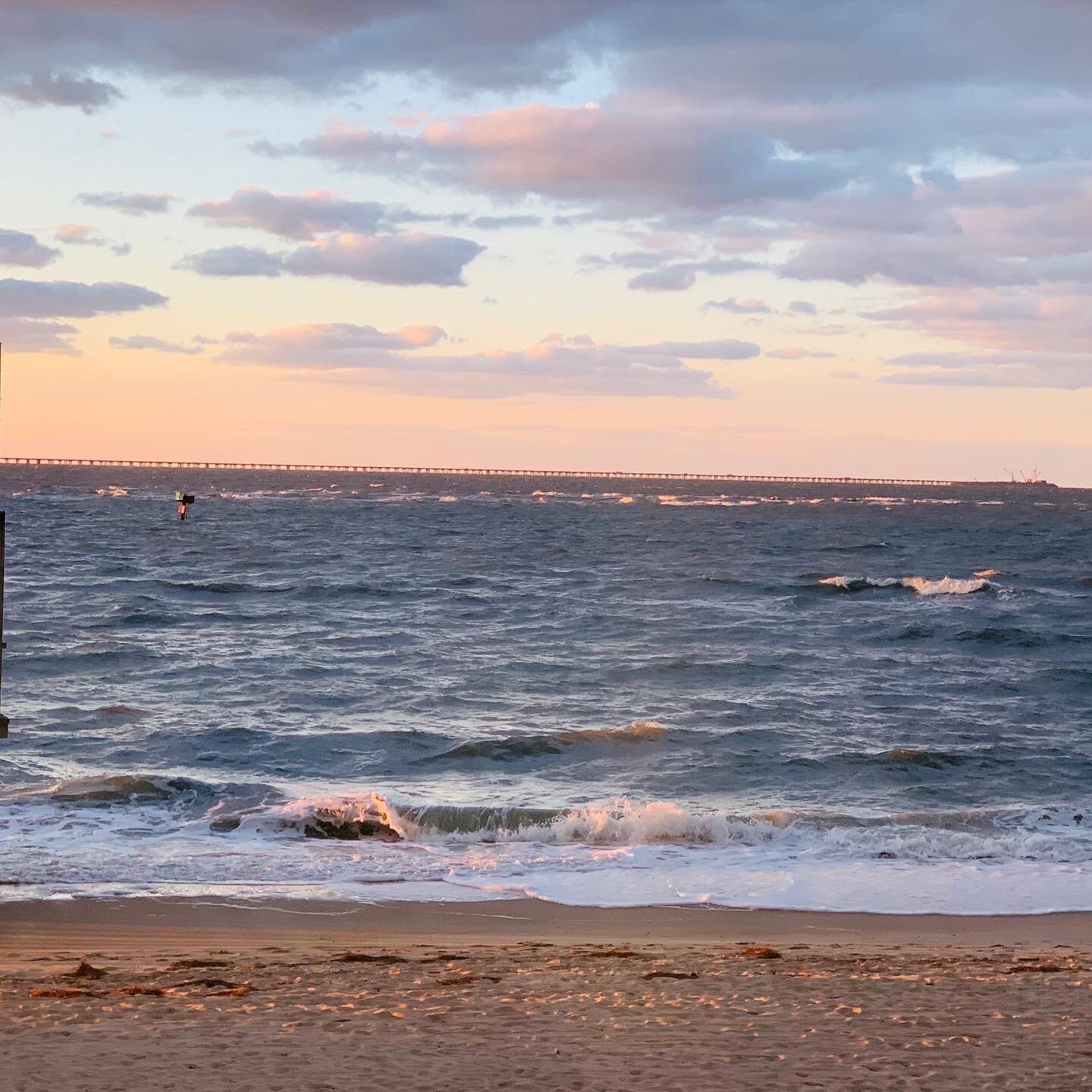
Moving to Hampton Roads, Virginia
Seven cities. One connected coastal region. A lot easier to navigate when you know how the pieces fit together.
Hampton Roads is shaped by seven independent cities, waterways, bridges, tunnels, and major transportation routes. Whether you're moving across Virginia or across the country, understanding how those pieces connect can help you organize your housing search around the criteria that matter to you.
Understand the Region
Start with Hampton Roads geography, the Southside, the Peninsula, and the major crossings that connect the region.
Hampton Roads 101Plan Your Move
Organize your housing criteria, transportation considerations, property research, and relocation logistics.
Start Relocation PlanningExplore the Seven Cities
Get oriented to Norfolk, Virginia Beach, Chesapeake, Portsmouth, Suffolk, Hampton, and Newport News.
Explore Hampton RoadsUnderstanding the Region Before You Move
One of the first things to understand about Hampton Roads is that it is not one city. The region is made up of multiple independent cities connected by a network of highways, bridges, tunnels, rivers, and the Chesapeake Bay. Knowing how the geography works can make relocation planning much easier.
Southside
The Southside portion of Hampton Roads includes five of the seven cities highlighted in this guide.
Peninsula
Hampton and Newport News sit on the Peninsula side of the region, north of the James River.
Why the Water Crossings Matter
Waterways are part of everyday travel in Hampton Roads. Depending on the route, a trip may involve one of the region's major bridge-tunnel or tunnel crossings, so transportation planning is best based on the specific origin, destination, and travel time being considered.
I-64 connection between the Peninsula and the Norfolk/Virginia Beach side of the region.
I-664 connection between the Peninsula and the Suffolk/Chesapeake side of Hampton Roads.
I-264 crossing between Norfolk and Portsmouth.
Route 58 crossing between Norfolk and Portsmouth.
Start With What Matters to You
A relocation search is most useful when it begins with your own priorities rather than generalized descriptions of cities or neighborhoods. I help clients organize those priorities, research the properties and locations they are considering, and build a plan around the information that matters to their move.
Housing Criteria
Start with the property itself and the practical features you want to consider.
- price range and financing structure
- property type
- bedrooms, baths, layout, and usable space
- condition, updates, and maintenance preferences
- ownership timeline
- other property features you identify as important
Work, Duty Location & Transportation
If travel matters to your move, we can evaluate it using the specific origin, destination, route, and timing relevant to you.
- work or duty location
- preferred travel-time range
- bridge or tunnel crossings on the route
- parking or transportation needs
- current travel conditions and route alternatives
Property-Specific Research
Depending on the property and your questions, additional research may be helpful.
- flood-zone and flood-map information
- AICUZ, aircraft-noise, or APZ information
- inspection and property-condition information
- appraisal considerations
- insurance or lender questions
- utilities and local property resources
Your Own Priorities
You may also have specific places, services, activities, accessibility needs, or other priorities you want to research.
- identify the criteria that matter to you
- use current objective resources to research them
- compare properties using the same criteria consistently
- ask for additional information when something needs clarification
My Role in the Process
My job is not to decide which city, neighborhood, or property is “best” for you. My role is to help you organize your criteria, provide real estate expertise, locate reliable information, and support your due diligence so you can make your own informed housing decision.
Seven Cities, One Connected Region
Hampton Roads includes seven independent cities with different geography, housing inventory, municipal services, transportation routes, and local resources. These short introductions are simply a starting point. Use the city guides for deeper, current information about the places and properties you are considering.
Norfolk
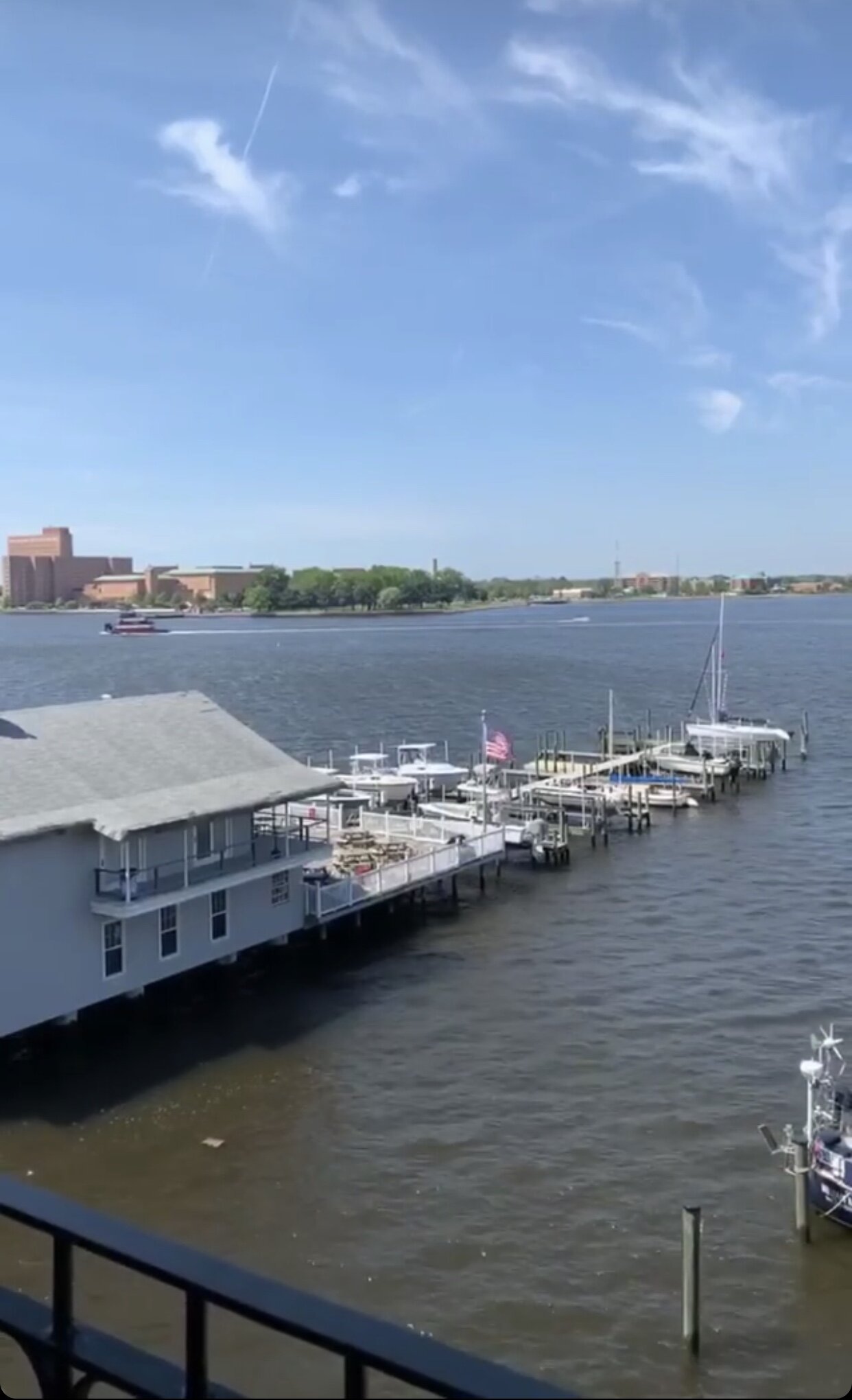
Norfolk is located on the Southside at the Elizabeth River and Chesapeake Bay. The city includes an urban downtown, established residential areas, waterfront communities, major cultural institutions, the Port of Virginia, and Naval Station Norfolk.
Virginia Beach
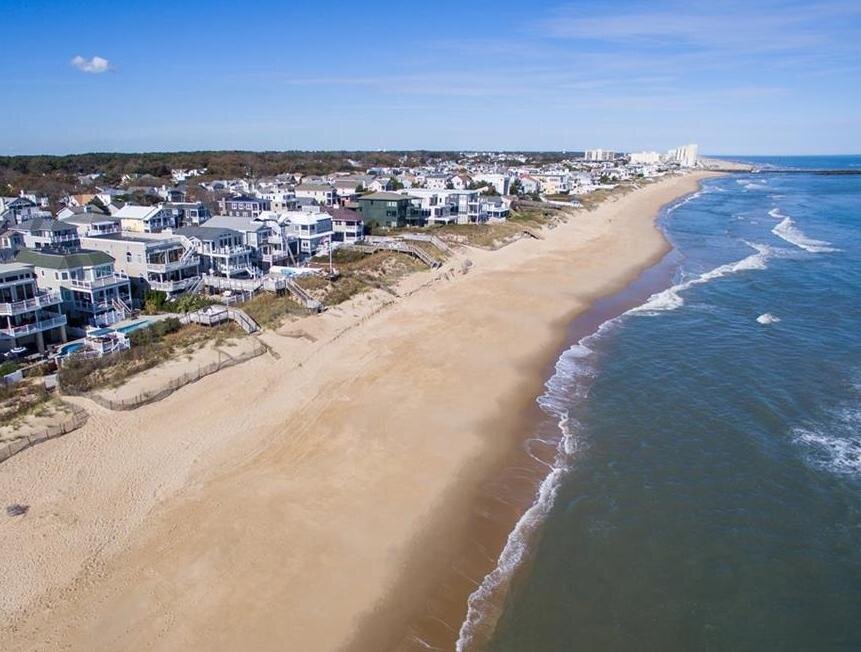
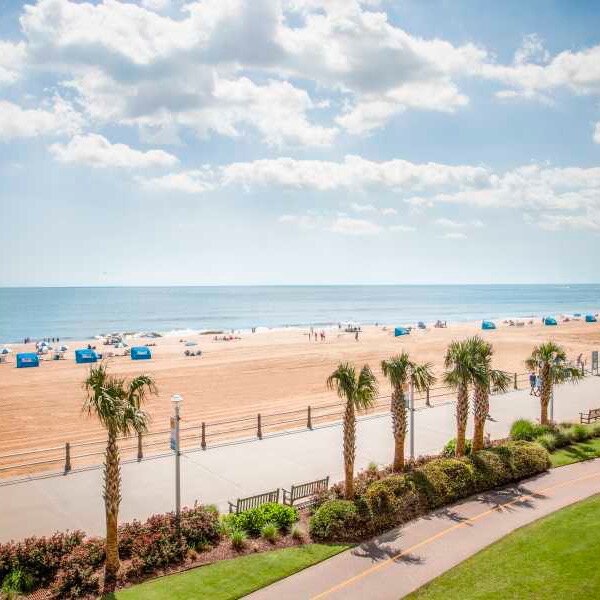
Virginia Beach extends from the Chesapeake Bay to the Atlantic Ocean and includes residential, commercial, resort, agricultural, and military areas across a geographically large independent city.
Chesapeake
Chesapeake stretches across a large area of the Southside and includes established residential areas, commercial corridors, waterways, agricultural land, and access to several major regional transportation routes.
Portsmouth
Portsmouth sits along the Elizabeth River opposite Norfolk and includes historic districts, residential areas, waterfront property, Portsmouth Naval Shipyard, and tunnel connections to neighboring Southside cities.
Suffolk
Suffolk is the largest Hampton Roads city by land area and includes an urban core, established communities, newer development, agricultural areas, waterways, and connections to both the Southside and Peninsula transportation network.
Hampton
Hampton is located on the Peninsula along the Chesapeake Bay and Hampton Roads harbor. The city includes residential and waterfront areas, historic sites, Langley Air Force Base, and direct access to the Hampton Roads Bridge-Tunnel.
Newport News
Newport News extends along the James River on the Peninsula and includes residential areas, major employment centers, parks, maritime industry, and transportation connections through I-64 and I-664.
Want to Explore the Region Beyond the Move?
My Explore Hampton Roads resource goes deeper into the region itself—local places, culture, recreation, waterfronts, and city-specific resources.
Resources for Researching a Hampton Roads Property
Relocating to a new region often means encountering property questions you may not have dealt with before. These resources are designed to help you understand common Hampton Roads considerations, locate current information, and know when a question should be directed to an official source or qualified professional.
Flood Zones & Flood Maps
Review FEMA flood-zone terminology, coastal mapping, LiMWA, official Hampton Roads locality resources, evacuation-zone information, and property-specific research guidance.
AICUZ, Aircraft Noise & APZ
Understand military aircraft-noise contours, Accident Potential Zones, official maps, disclosure information, and regional AICUZ resources.
Home Inspection
Understand the role of a home inspection, common process questions, and how inspection information can fit into a buyer's due diligence.
Appraisal
Review the appraisal process, why an appraisal may be required in a financed transaction, and questions that may arise during the process.
Utilities & Local Setup
Find Hampton Roads utility providers and city-specific setup information for water, electricity, gas, and other practical move-in needs.
Buyer Quick Reference
Keep the major pieces of the buying process organized with a practical reference covering common milestones, terminology, and next steps.
Need the Full Buying-Process Resource?
My Buyer Resource Hub brings together additional guidance for financing, inspections, appraisals, contracts, closing, property searches, and other parts of the home-buying process.
Practical Setup for Your First Days in Hampton Roads
Once the housing piece is in place, there are still a few practical tasks that can make settling into Virginia easier. I prefer linking directly to the official source for requirements that may change, while keeping the everyday setup resources organized in one place.
Utilities & Local Services
Utility providers and setup procedures vary by city and property. Use my Hampton Roads Utilities Guide to find the current starting point for water, electricity, gas, and other local service information.
Virginia DMV
If you are establishing Virginia residency, current DMV guidance covers driver's licensing, vehicle titling, registration, insurance requirements, inspections, and other new-resident steps.
Mail & Address Changes
USPS provides the official Change of Address process for forwarding mail after a move. You may also want to update financial accounts, insurance, subscriptions, employers, and other organizations directly.
Virginia Voter Registration
The Virginia Department of Elections Citizen Portal allows eligible residents to register to vote, update an existing registration, check registration status, and find polling-place information.
Hurricane Evacuation Zones
Coastal Virginia uses designated evacuation zones for hurricane and tropical-storm emergency planning. Your evacuation zone is separate from your FEMA flood-zone designation and can be checked by street address.
Current Road & Travel Conditions
Virginia 511 provides current traffic, incidents, road conditions, construction information, cameras, and travel updates that can be useful when learning regional routes.
New to Virginia? Check the Current DMV Timeline
Virginia DMV currently advises new residents that a Virginia driver's license is generally required within 60 days of moving to the Commonwealth, while vehicle titling and registration have separate timelines. Because requirements and exceptions can change—including circumstances involving military service—use DMV's current new-resident guidance for the details that apply to you.
Need a More Specific Starting Point?
Some Hampton Roads moves come with additional planning needs. Rather than duplicating that information here, I keep dedicated resources for military relocation and current regional housing-market context.
Military Relocation & PCS
If your Hampton Roads move is connected to military orders, use my dedicated Military Relocation & PCS resource for installation-specific planning, remote-buying guidance, VA-loan information, timelines, official military resources, and base-area research.
- PCS planning and timelines
- base-specific relocation resources
- remote home-buying coordination
- VA financing resources
- official military and housing links
Hampton Roads Housing Market
If you want current regional market context, use my Hampton Roads Housing Market Overview for local MLS data, city-level market reports, current trends, and interpretation of what the numbers may mean for buyers and sellers.
- regional market snapshot
- city-level market reports
- inventory and market-time context
- buyer and seller market interpretation
- current Hampton Roads market analysis
Moving Out of Hampton Roads
Relocation works in both directions. If your next move is taking you outside Hampton Roads, I can help you organize the local real estate side of the move and connect you with a real estate professional in your destination market.
Selling Your Hampton Roads Home
If your move includes selling a local property, we can coordinate pricing, preparation, timing, marketing, contract strategy, and the logistics of selling while you prepare for your next destination.
- pricing and market positioning
- pre-listing preparation
- marketing strategy
- showing and contract coordination
- timing around your relocation
Need an Agent at Your Destination?
If you are moving outside my Virginia service area, I can help identify and connect you with a real estate professional in the market where you're headed.
- destination-market agent research and connection
- coordination between local and destination timelines
- clear communication during the referral process
- support for moves into or out of Hampton Roads